
The Transformative Power of Stablecoins and Digital Assets in Modern Finance
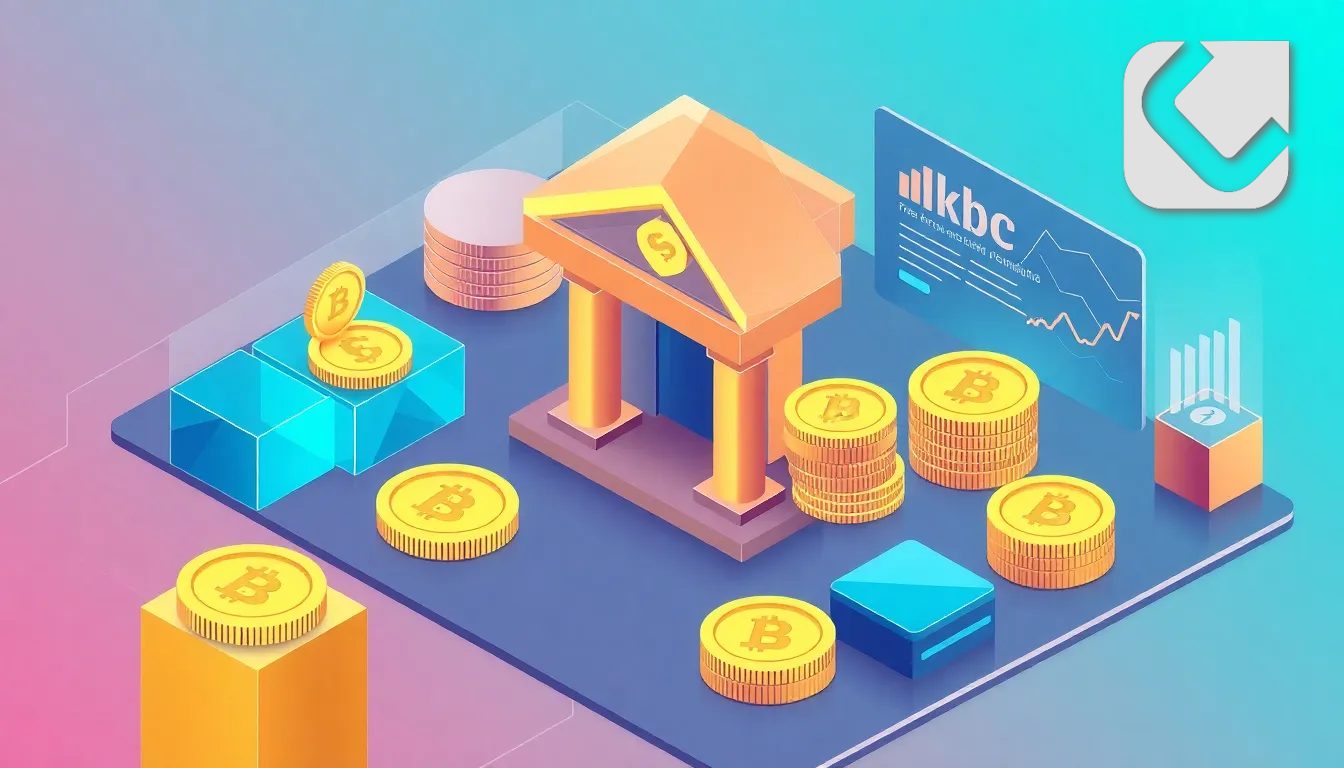
The Transformative Power of Stablecoins and Digital Assets in Modern Finance
In the bustling offices of KBC Bank, a quiet revolution is underway. The latest fintech news buzzes with the potential of stablecoins, crypto, digital assets, and blockchain technology to reshape the financial landscape. But what is Image 6: KBC Bank – FinTech NewsStablecoins, Crypto, Digital Assets & Blockchain, and how does it work? More importantly, why does this matter now?
As financial corridors between Africa and Europe become increasingly vital, the need for more efficient, transparent, and secure payment solutions has never been greater. This is where stablecoins and digital assets enter the scene, offering a promise of stability and innovation in a world that desperately needs both. But with promise comes complexity, and the road to widespread adoption is fraught with challenges.
Recent headlines speak volumes about the potential of agentic AI in payment execution. Fintechs are not just automating tasks—they’re deploying AI agents capable of planning, reasoning, and executing multi-step payment transactions. This evolution is not happening in a vacuum; it’s driven by a demand for measurable ROI and capital impact, not just abstract productivity. But how does this intersect with the world of stablecoins and digital assets?
The convergence of these technologies presents a unique opportunity for financial institutions like KBC Bank to redefine how they operate. However, understanding the nuances of these innovations is crucial for anyone looking to harness their power. Let’s dive into what has changed, why it matters, and what the future holds for Image 6: KBC Bank – FinTech NewsStablecoins, Crypto, Digital Assets & Blockchain.
What Has Changed in the Financial Landscape?
The financial ecosystem has witnessed seismic shifts over the past decade. Traditional banking methods are increasingly seen as cumbersome and outdated in the face of digital transformation. Stablecoins, for instance, have emerged as a bridge between the volatile world of cryptocurrencies and the stability of fiat currencies. They offer a digital representation of value that remains relatively steady, addressing one of the key concerns with cryptocurrencies—price volatility.
Blockchain technology, the backbone of digital assets, has also matured significantly. It provides a decentralized framework that enhances transparency and security, two critical components in the financial sector. The potential for blockchain to streamline cross-border transactions, reduce costs, and mitigate fraud is immense. In the Africa-Europe corridor, where remittances are a lifeline for many, these innovations could be game-changing.
Why Does This Matter Now?
The timing of these developments is no coincidence. As global economies grapple with post-pandemic recovery, the need for resilient and adaptable financial systems is paramount. Stablecoins and digital assets offer a way to enhance liquidity and foster financial inclusion, particularly in underbanked regions. They are not just a technological advancement; they are a strategic imperative.
Moreover, the regulatory landscape is evolving, albeit slowly. Governments and financial regulators are beginning to recognize the potential benefits of these technologies, albeit with a cautious eye on the risks. According to a recent central bank update, there is a growing consensus on the need for a robust regulatory framework that can accommodate the unique attributes of digital assets.
Risks and Compliance in the Digital Asset Space
While the benefits are clear, the risks associated with stablecoins and digital assets cannot be overlooked. Compliance remains a major hurdle. Financial institutions must navigate a complex web of regulations that vary significantly across jurisdictions. For example, the European Union has been proactive in establishing clear guidelines for digital assets, but African nations are still in the early stages of regulatory development.
Security considerations are also paramount. The decentralized nature of blockchain, while beneficial for transparency, presents unique challenges in terms of data protection and fraud prevention. Institutions like KBC Bank must implement robust security measures to safeguard digital assets and maintain customer trust.
What Good Looks Like: Best Practices and Use Cases
Achieving success in this space requires a strategic approach. Leading financial institutions are setting benchmarks in how to effectively integrate stablecoins and digital assets into their operations. For instance, some banks are leveraging blockchain for real-time settlement of cross-border transactions, significantly reducing processing times and costs.
Another promising use case is the integration of stablecoins for international remittances. By offering a stable, digital alternative to traditional currency exchange, banks can provide a more reliable and cost-effective solution for their customers. This is particularly beneficial in regions with volatile local currencies, such as parts of Africa.
Practical Next Steps for Compliance and Operations Leaders
For compliance and operations leaders, the path forward involves several key actions:
- Engage with regulatory bodies to stay informed about evolving compliance requirements for digital assets.
- Invest in cybersecurity measures to protect against emerging threats in the digital asset ecosystem.
- Develop partnerships with fintech firms to leverage their expertise in blockchain and AI-driven solutions.
- Implement pilot programs to test the integration of stablecoins into existing financial products.
- Educate staff and customers about the benefits and risks associated with digital assets.
Conclusion: The Future Outlook
The journey towards integrating stablecoins, crypto, and digital assets into mainstream finance is just beginning. As we look to the future, the potential for these technologies to transform the industry is immense. However, success will depend on the ability of financial institutions to navigate the regulatory landscape, mitigate risks, and embrace innovation.
Image 6: KBC Bank – FinTech NewsStablecoins, Crypto, Digital Assets & Blockchain is not just a headline—it’s a vision of what the future of finance could be. By understanding the complexities and opportunities these technologies present, financial leaders can position their institutions at the forefront of this digital revolution.
- Stay informed about regulatory changes and compliance requirements for digital assets.
- Invest in cybersecurity to protect digital asset transactions and customer data.
- Leverage partnerships with fintechs to enhance technological capabilities.
- Explore pilot programs to integrate stablecoins into existing financial services.
- Educate stakeholders on the benefits and challenges of adopting digital assets.











![Stablecoins in Interbank Settlement (from [1] and [4])](https://paacapital.com/wp-content/uploads/2025/12/featured-stablecoins-in-interbank-settlement-from-1-and-4-924x520.jpg)
